JULY 2021 CHAPTER UPDATE
JULY 2021 CHAPTER UPDATE
INTRODUCTION
With reduced Covid concerns your Prescott Audubon Society Chapter is exploring opportunities to return to a more social and interactive environment. The PAS Board recently met to discuss reinvigorating the Chapter and there are some new and creative plans to be implemented in the near future.
In the mean time, though limited by the Covid pandemic, your Chapter has been busy maintaining the Audubon conservation, environmental and habitat missions.
The following report highlights some of the behind the scene efforts that have contributed to keeping PAS viability with our community.
INDEX
(Click on Title to go directly to the Article)
1. 2020-2021 WINTER LAKES IBA SURVEYS (RYAN CROUSE)
2. JANUARY 2021 LAKE SURVEYS (LAURA RHODEN)
3. SAVE THE DATES: CHRISTMAS BIRD COUNTS (LAURA RHODEN)
4. PAS WETLANDS GROUP – AN UPDATE (SUE DROWN)
5. FIELD TRIP COMMITTEE STATUS (CORY SHAW)
6. SAVE THE DATE: BIRDS N’ BEER (SHARON ARNOLD AND ELLEN BASHOR)
7. FEED THE FEEDER UPDATE (ART & DELORES MANBURG)
8. SHOW YOUR TALENT: BIRD OF THE MONTH ARTICLES (RUSS CHAPPELL)
(1) 2020-2021 WINTER LAKES IBA SURVEYS
By Ryan Crouse
Starting in December of 2020, I had the pleasure of taking the reins in coordinating our local IBA Lakes Survey. These surveys are conducted to help maintain the Watson Lake and Willow Creek Reservoir’s status as a nationally recognized Audubon Important Bird Area (IBA). An area can be set aside and protected as an IBA based on its importance to any number of native North American avian species. Our local lakes are crucial areas of habitat for a variety of birds, but particularly for wintering aquatic species. These surveys have been organized and conducted in the past by Karen O’Neil (KO), with the help of her amazing volunteers. I thank her for her years of dedication to this project and her continued effort and participation going forward. She was also instrumental on getting me up to speed on the process, and I hope to maintain that level of commitment to this important project for years to come. Thank you, Karen!
Surveys are done once a month from December through March to record both the species and number of individuals of aquatic birds and raptors. This data provides trends for the current winter season as well as over the long term.
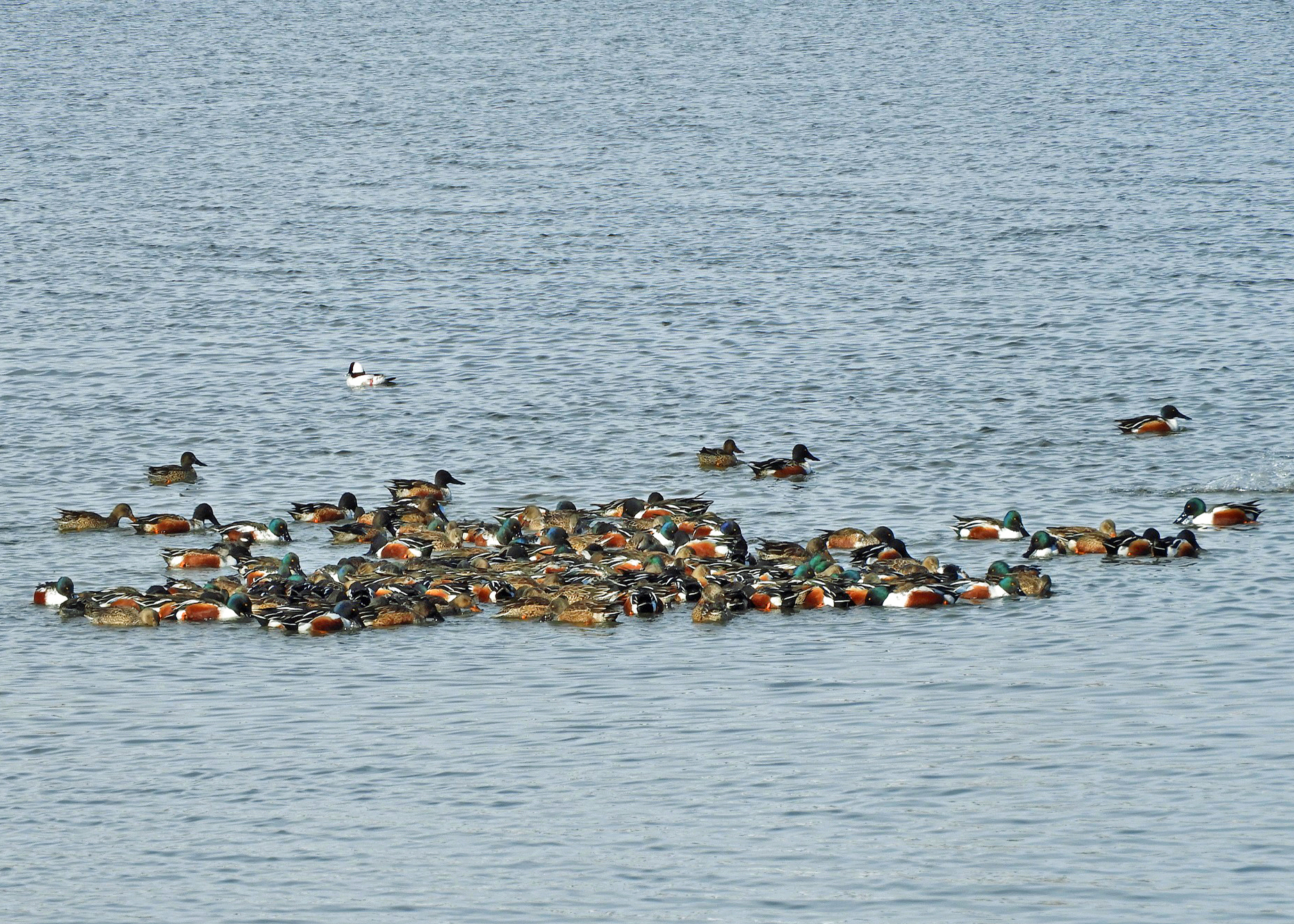
While we braved a couple cold mornings, the 2020-21 winter was remarkably mild and dry, save for a handful of robust winter storms. This was very apparent by the low levels at both Watson Lake (WL) & Willow Creek Reservoir (WCR). Speaking only from my decade of experience living in the Quad-City area, this is the lowest I have ever seen either of the lakes. This has had an effect on both the species count and diversity. Species that have traditionally been attributed to one lake or the other have leveled out a bit in recent years. One obvious example is Northern Shoveler: Shovelers have tended to stick to the shallower confines of WCR, where they feed in the muddy bottom and also by sifting through the nutrient-filled water. However, on the February 7 count, KO recorded 275 Shovelers on her section of WL: the north end where the lake is deepest. They have historically been much more at home towards the shores of the south end, which is very similar to the conditions found at WCR. In fact, during the December count, Bonnie Pranter (BP) & Rebecca Davis (RD) recorded 323 Northern Shovelers in the southern shallows of WL. While we did not record those high numbers in my sandwiched center section of WL, shovelers were present at every count, usually somewhere in the neighborhood of 20-60 individual birds. Large flocks could also be regularly observed, outside of our section boundaries, traveling from one lake to the other. While this high number at WL is noteworthy, it’s also important to recognize that on the January 10 survey, Laura Rhoden and Sue Drown recorded 565 Northern Shovelers in their section of WCR, viewing them from the north shore. So, WCR continues to be this species’ preferred body of water. In the upcoming surveys, it will be interesting to see how the shovelers react to any further shift in the ecosystem and are a species that is likely to be a good barometer for the health of our local waterways.
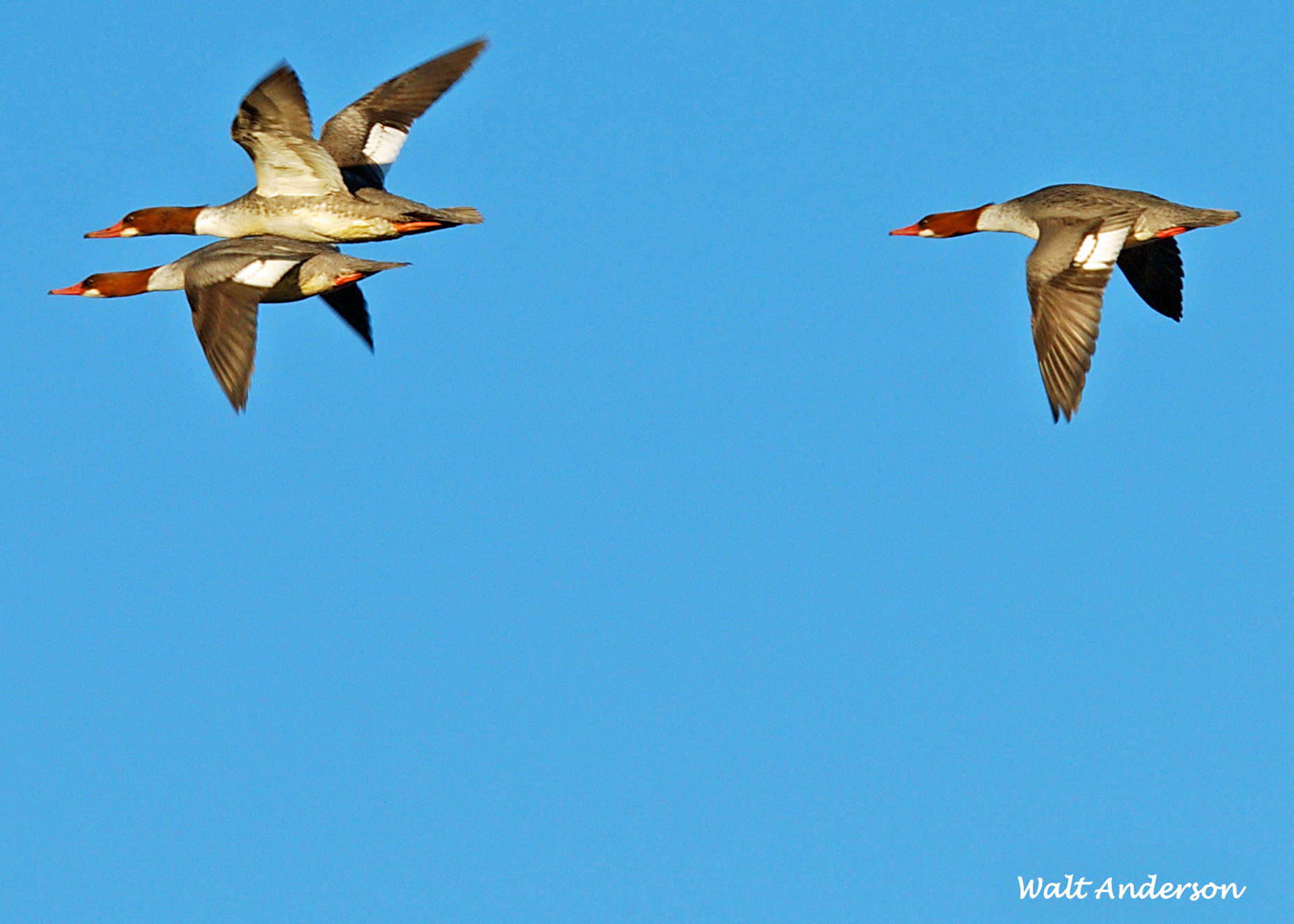
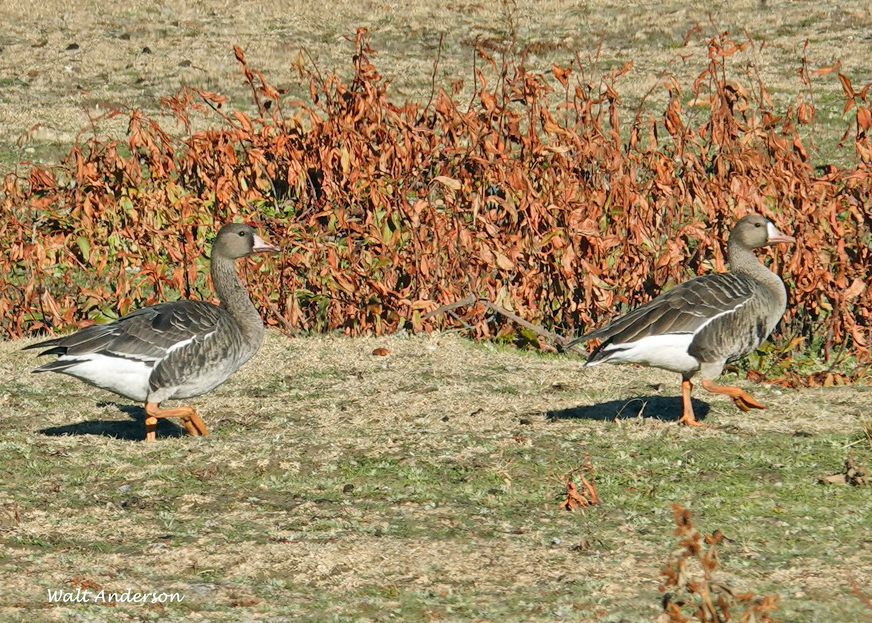
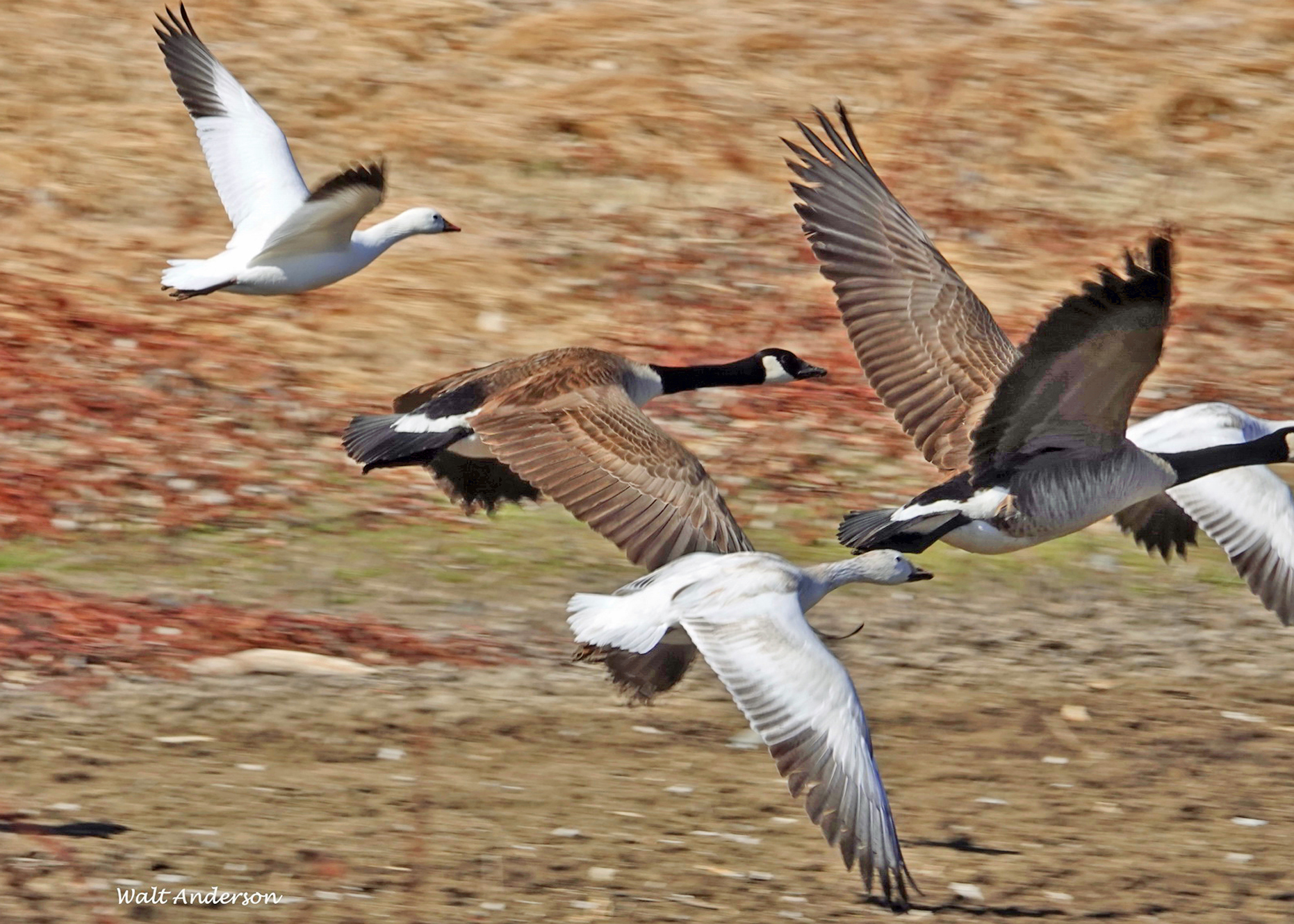
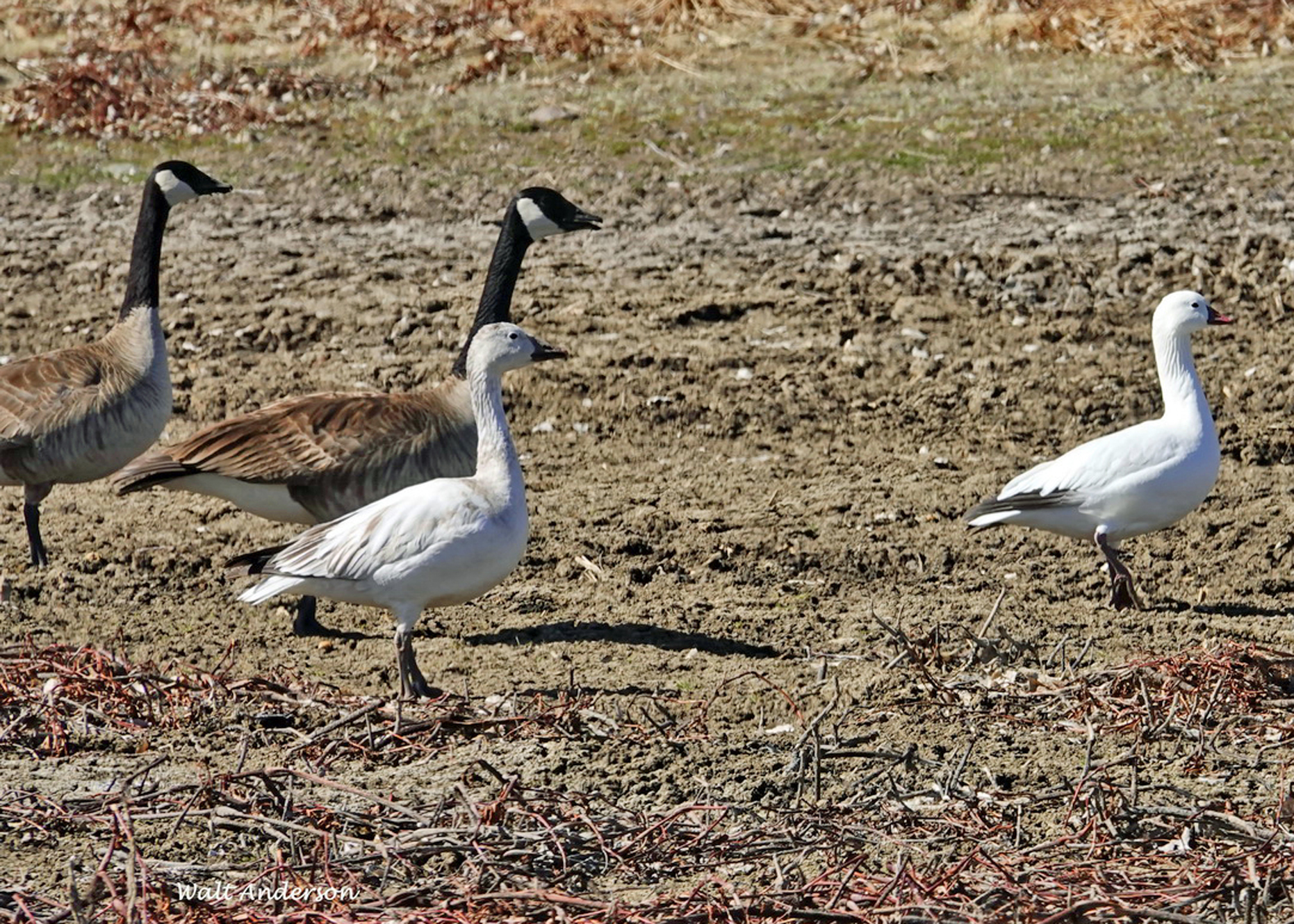
A few other aquatic species that rely on these areas, listed with their high counts, include American Coot (950, WCR, C. Tomoff), Bufflehead (116, WL, R. Crouse & L. Thomas), Eared Grebe (59, WCR, M. Riegner) & Canada Goose (156, WL, R. Crouse & L. Thomas). In the time I’ve lived in Prescott, Canada Geese in particular have proliferated significantly and are a species you can expect to see year-round. In addition to a significant number of Canada Geese on every count, a Ross’s Goose, Snow Geese and Greater White-fronted Geese were also recorded during the survey. Without the historical data to back it up, my own observations suggest that Ruddy Duck numbers seemed to be low this season. A high section total of 98, taken by me on the January 10 survey, contrasts dramatically with what I’ve seen in the past with numbers in the hundreds. Most section totals for the species were between 50-75 individuals, although BP and RD did record 272 individuals during their December count. A deeper dive into the historical prevalence of that species would be interesting. On the flipside, it seems that there were more mergansers present in my section this season, both Common and Hooded. KO also recorded an astonishing 94 Common Mergansers on her January 10 survey of the north section of WL, the highest number she has ever noted throughout her years of covering that section. The mergansers’ significant presence is somewhat surprising, given that mergansers generally prefer deep water to dive for their prey, but their numbers were consistently high throughout the survey. KO also recorded a notable 14 Western Grebes on December 6. While this may not seem high, it’s the most she’s ever seen in that section. Western Grebes rely on very deep water to hunt, and even when the lakes are swollen, totals of fewer than five individuals are much more common. Luckily, it would appear that WL and parts of WCR still have sufficient deep water to support these diving species & many others.
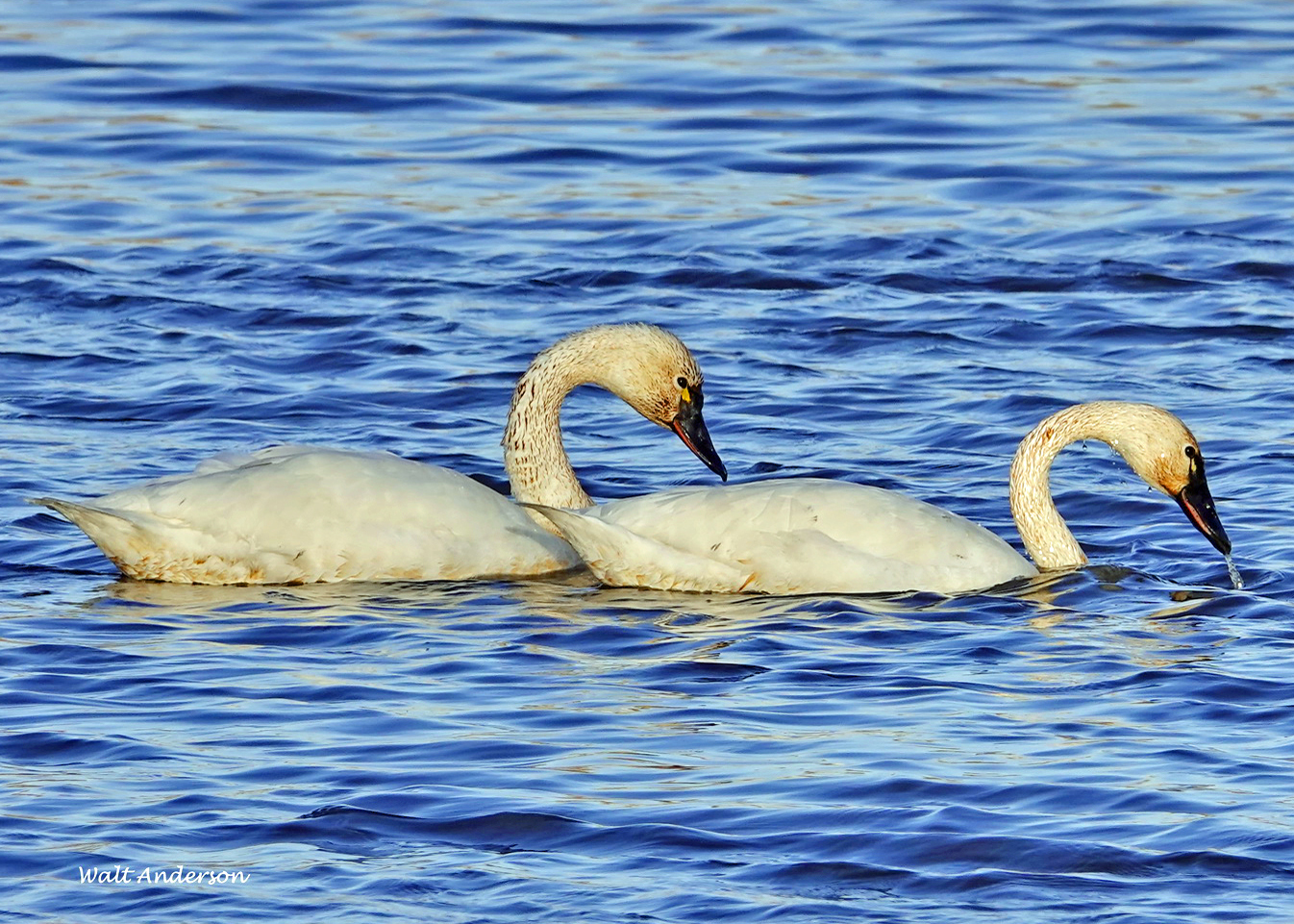
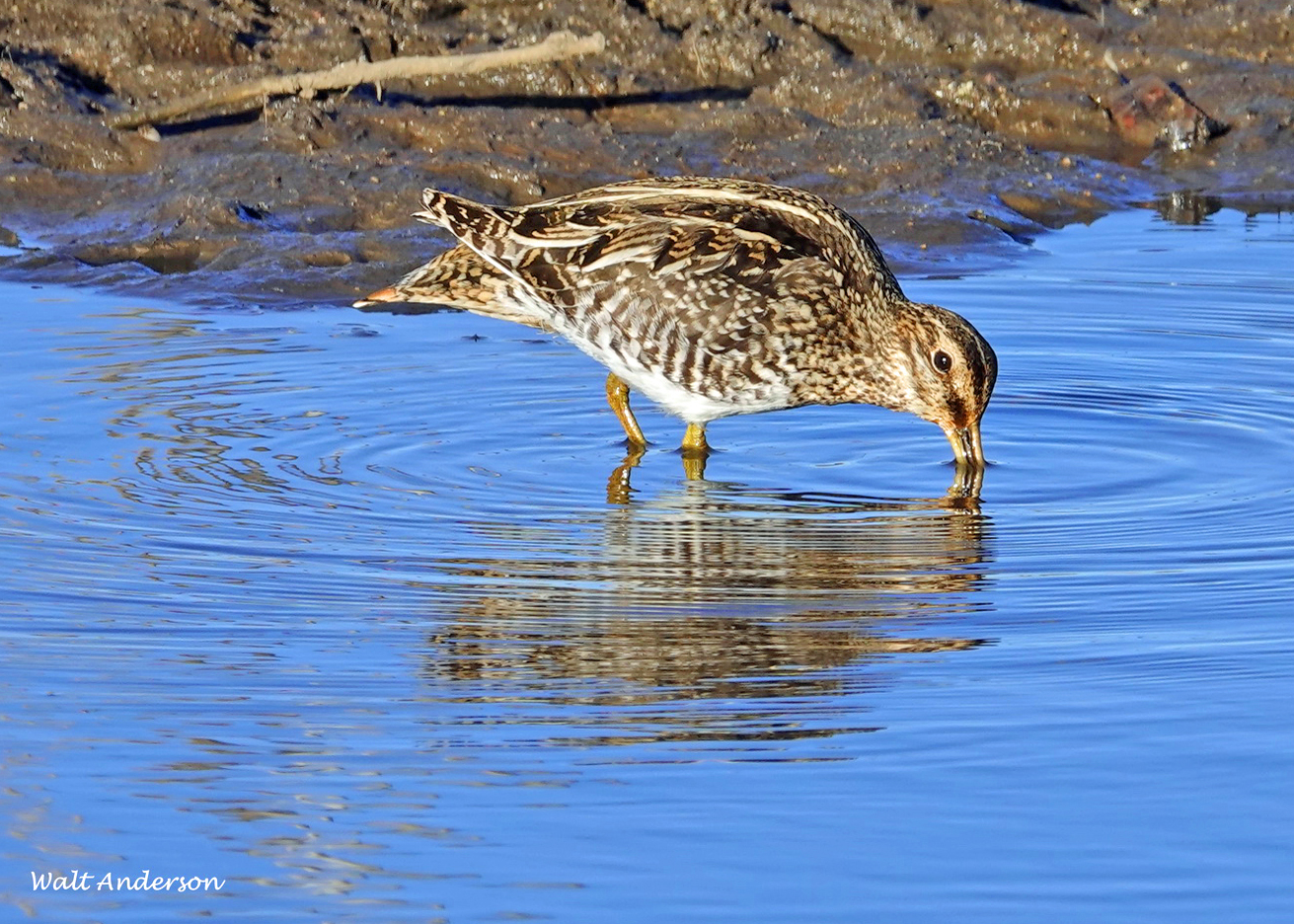
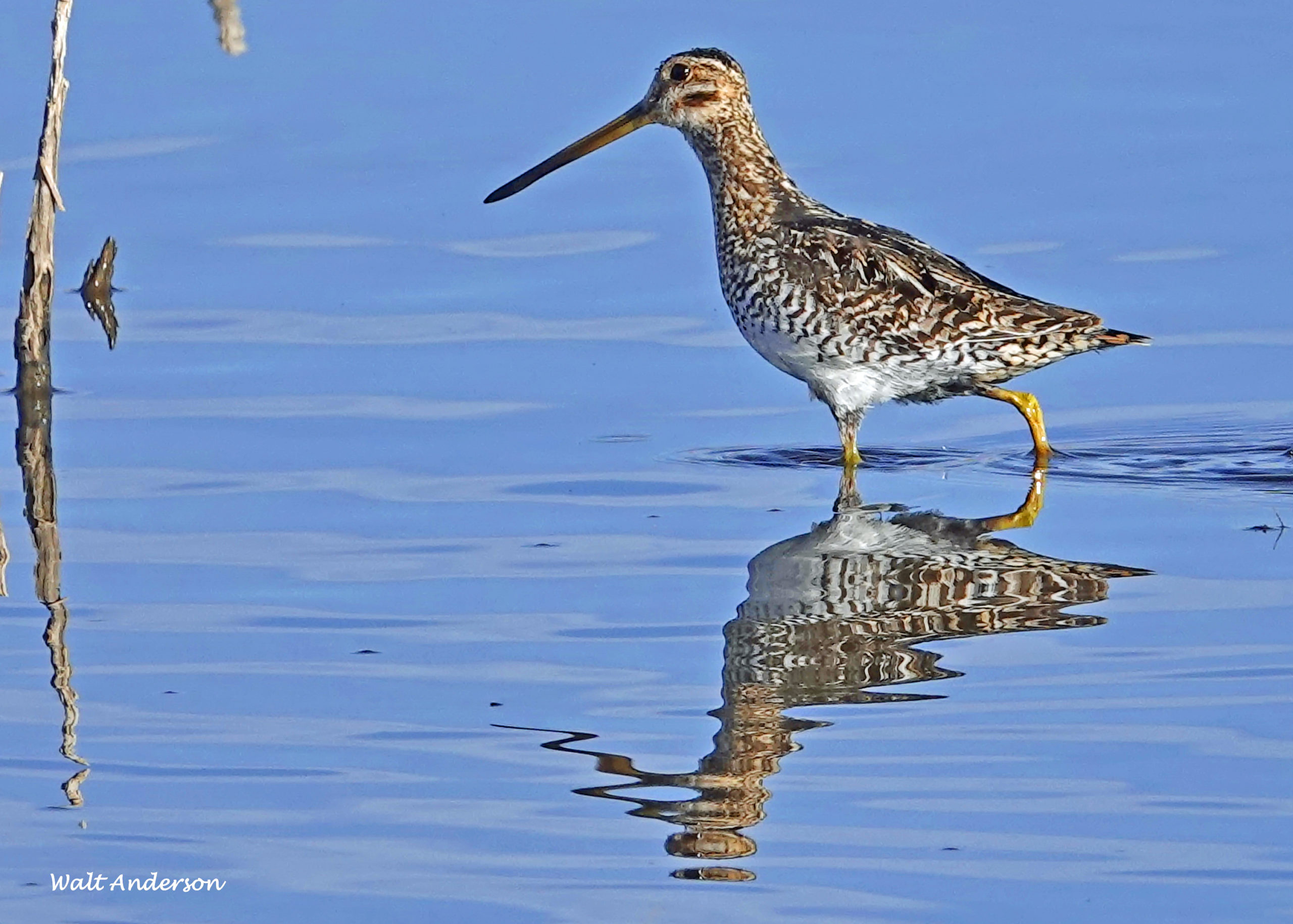
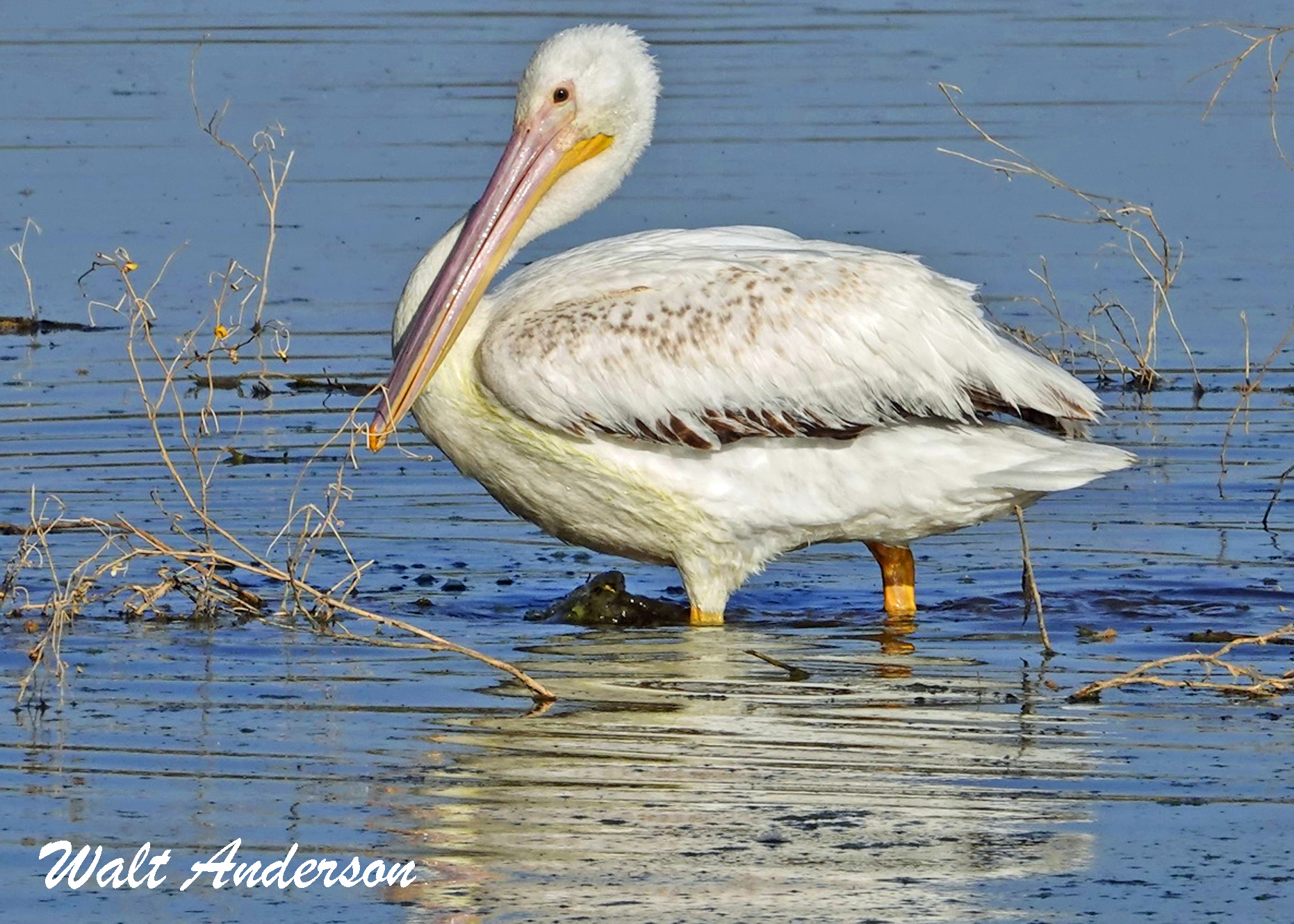
Some final noteworthy sightings would include a pair of White Pelicans on the first two counts and a remarkable four Tundra Swan that were present most of the winter and were recorded on three of four surveys. Lastly, Wilson’s Snipe were recorded on every survey, in numbers ranging from five to 11. It was noted that they were generally seen out in the open, foraging on open mud flats, which is atypical behavior for this otherwise-cryptic species. All of these exciting sightings were recorded at south end of WL, by BP and RD.
Lastly, raptor numbers seem to have been a bit low this season. On two separate surveys, my team didn’t record a single raptor in our section, although we did record four Bald Eagles on January 10 (B. Crouse). In total, my team recorded fewer than ten Red-tailed Hawks over the four separate surveys and detected no other raptors. BP & RD recorded a Merlin on their January survey, and Northern Harriers were consistently present at WCR. Fortunately, Bald Eagles are able to hunt in very shallow water, so the lower water levels coupled with an extensive prey base means that they will continue to benefit from these areas and their designation as an IBA.
(2) JANUARY 2021 LAKE SURVEYS
By Laura Rhoden
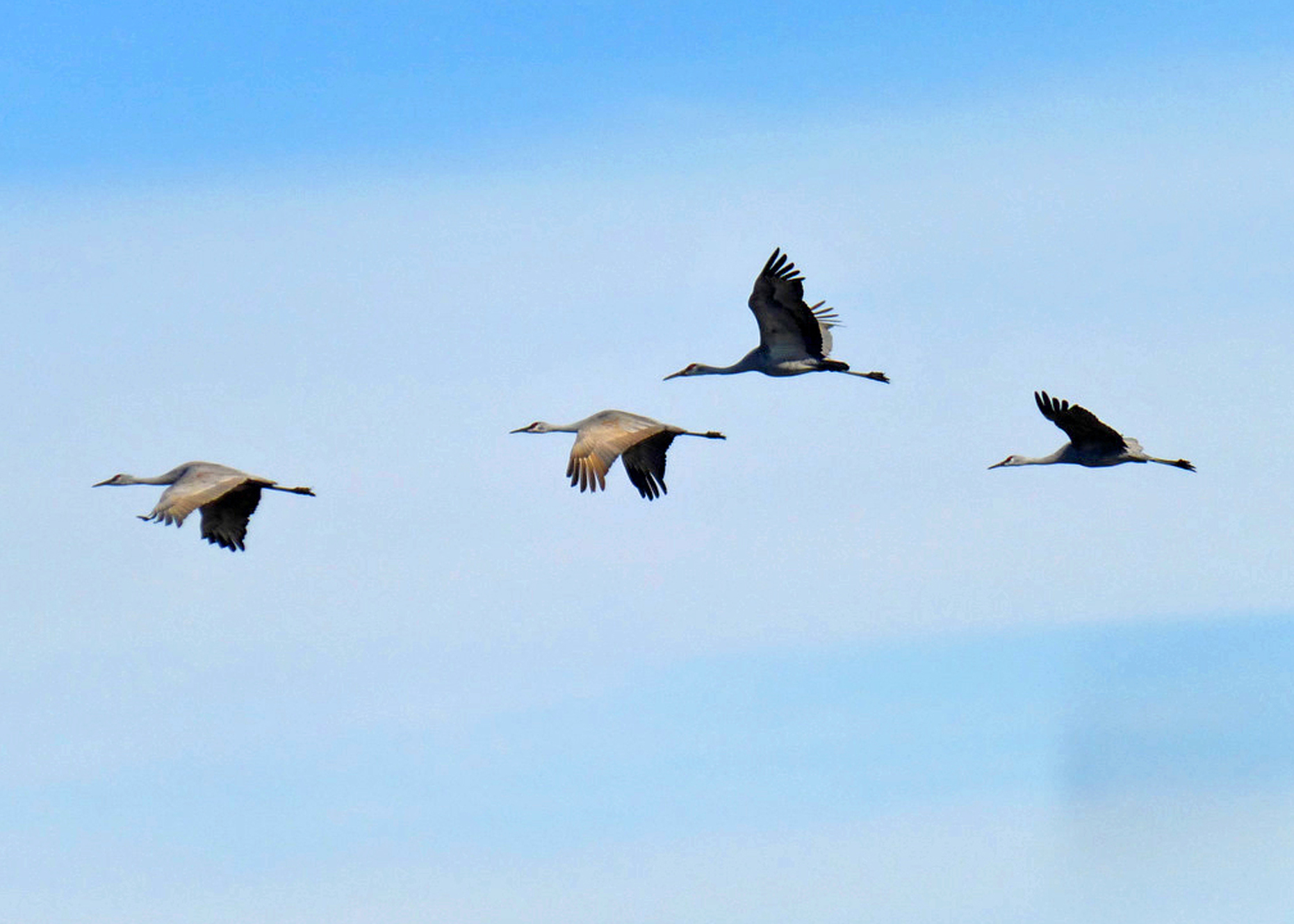
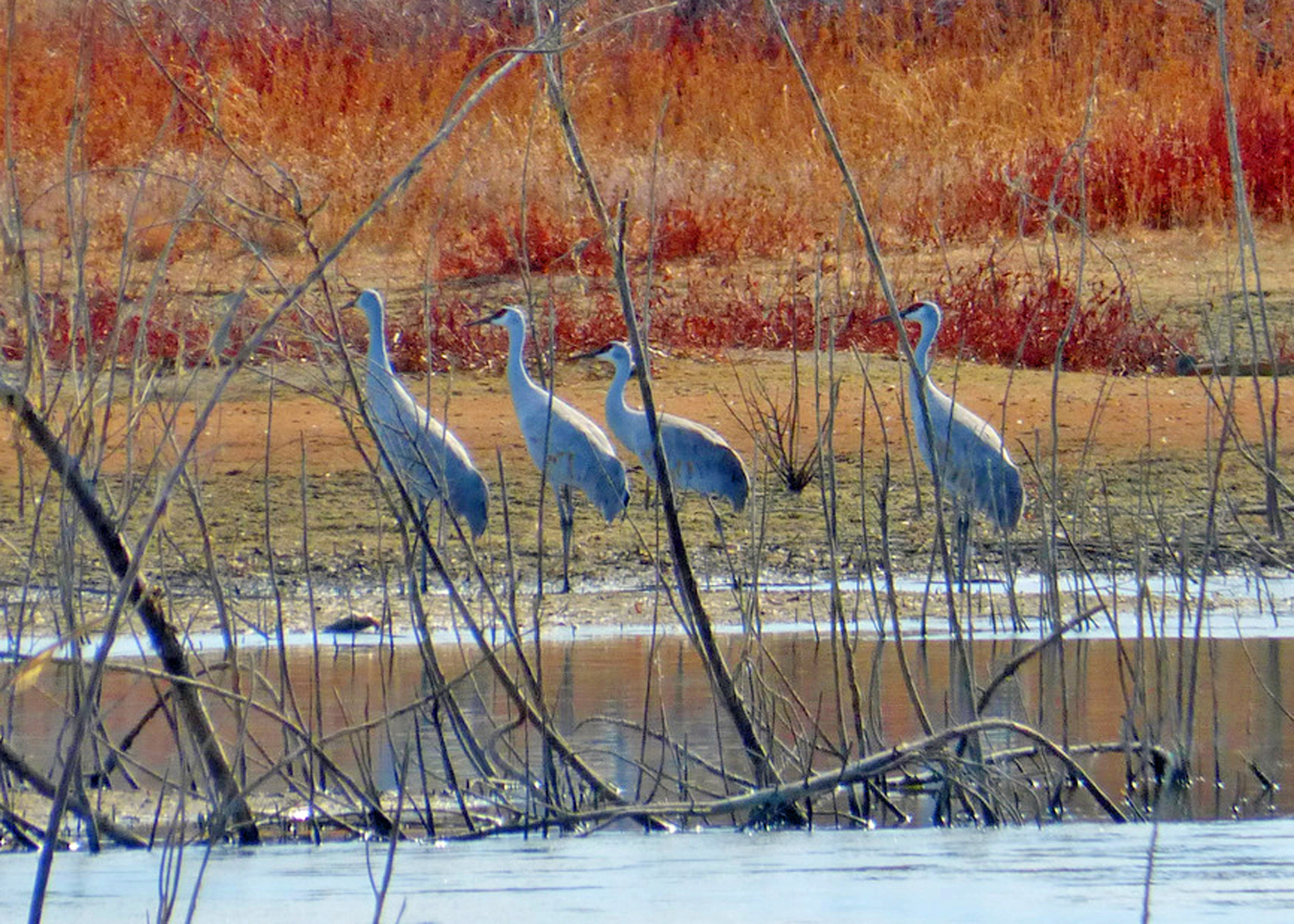
We recorded 35 species of water and shore birds with 4,300 individuals and 6 raptor species with 10 individuals during the January 10, 2021 survey. That’s pretty impressive!
Compare our results to the January 2021 surveys conducted by the Arizona Coordinated Bird Monitoring Program, a working group in the Arizona Bird Conservation Initiative (ABCI). ABCI is a voluntary partnership of government agencies, conservation groups, academic institutions, private businesses and citizens.
The March-April 2021 Arizona Wildlife Views magazine published by Arizona Game and Fish Department reports these numbers from the January 2021 ABCI Winter Reservoir Waterbird survey:
Saguaro Lake: 28 species, over 3,100 individuals
Canyon Lake: 23 species, over 1,000 individuals
Roosevelt Lake: 24 species, over 10,000 individuals
The largest reservoir in central Arizona is Roosevelt Lake, and the number of individual waterbirds counted there has ranged between 6,000 to 12,000 individuals in the last few years, with as high as 34 species counted. In contrast, smaller Apache, Canyon and Saguaro Lakes are deeper with less shallow shorelines, so they attract fewer species and have had between 1,000 and 3,500 individuals, averaging 26 species over the last few years.
Surveys were conducted by the Arizona Coordinated Bird Monitoring Program, a working group in the Arizona Bird Conservation Initiative (ABCI). ABCI is a voluntary partnership of government agencies, conservation groups, academic institutions, private businesses and citizens.
(3) SAVE THE DATES: CHRISTMAS BIRD COUNT
The winter Watson & Willow Lakes Ecosystem IBA surveys are conducted every two to three years. But you don’t have to wait until December 2022 or 2023 to count birds!
There are four Christmas Bird Counts in our chapter’s area. Please keep these in your plans; details for how to participate will be available as we get closer to December.
12/20/21 Chino Valley CBC
TBA Prescott CBC
Late Dec Bill Williams River National Wildlife Refuge CBC
Late Dec Havasu National Wildlife Refuge CBC
More information about the CBCs can be found here: https://www.audubon.org/conservation/join-christmas-bird-count
(4) PAS WETLANDS GROUP – AN UPDATE
By Sue Drown
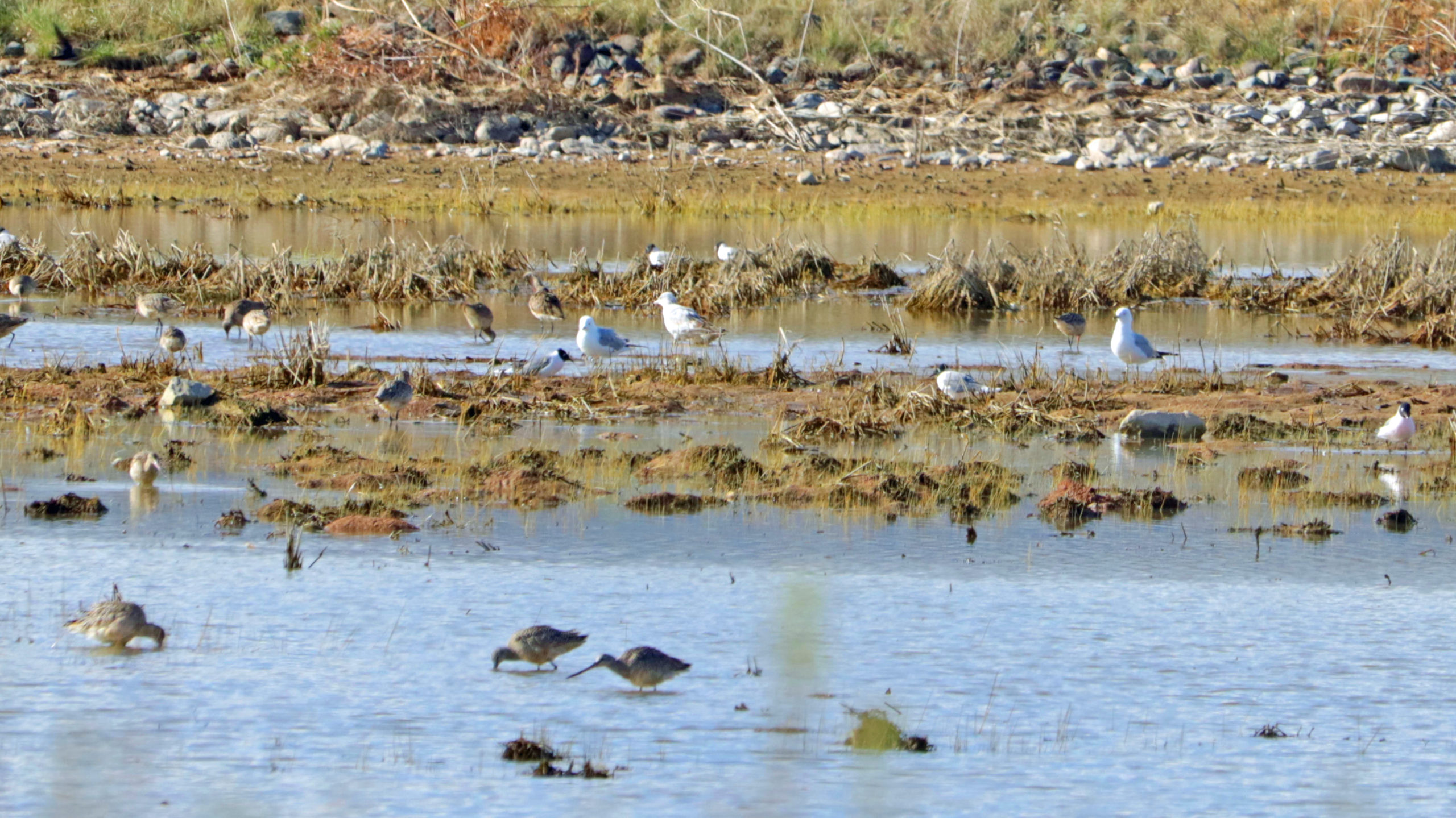
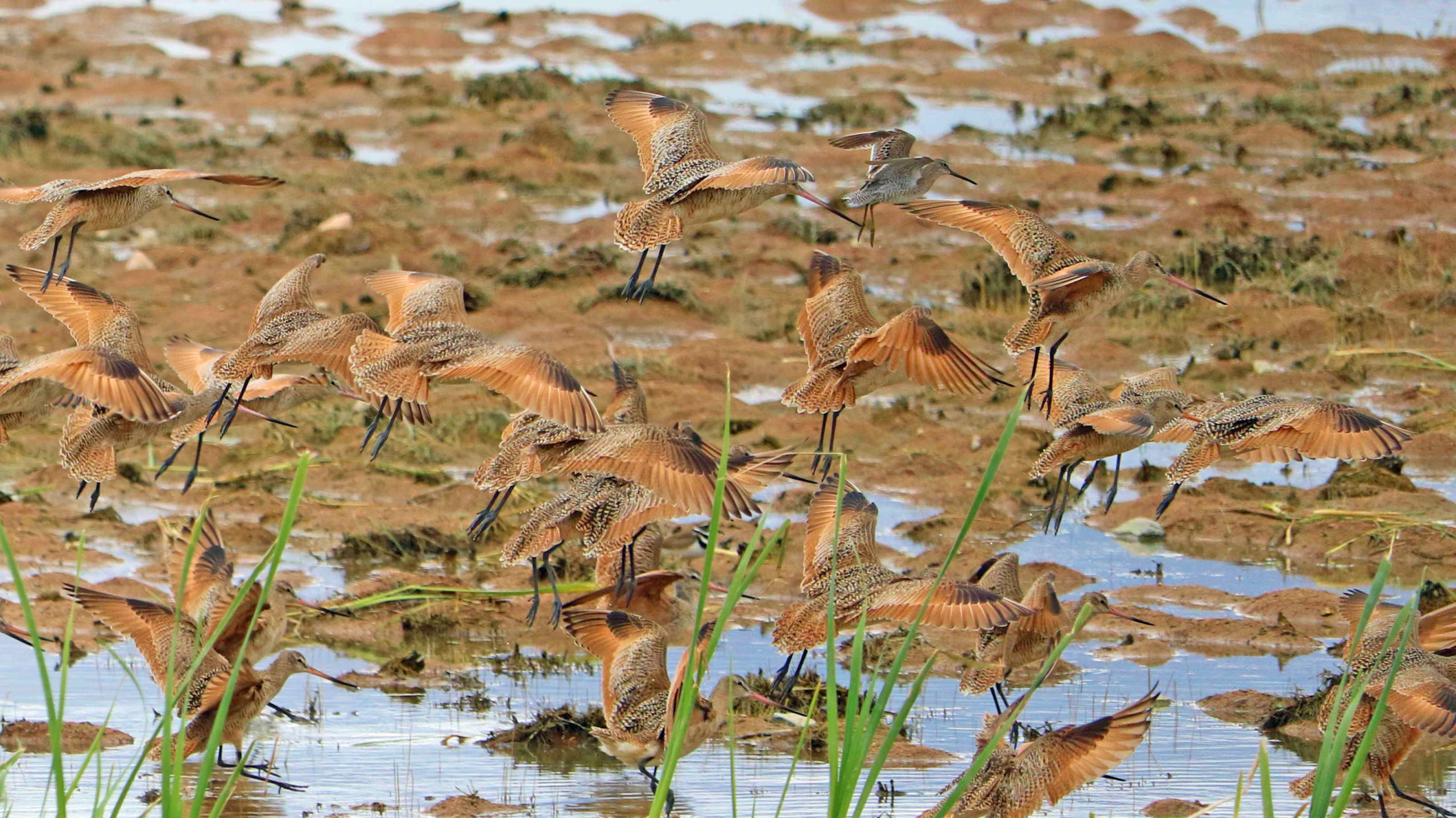
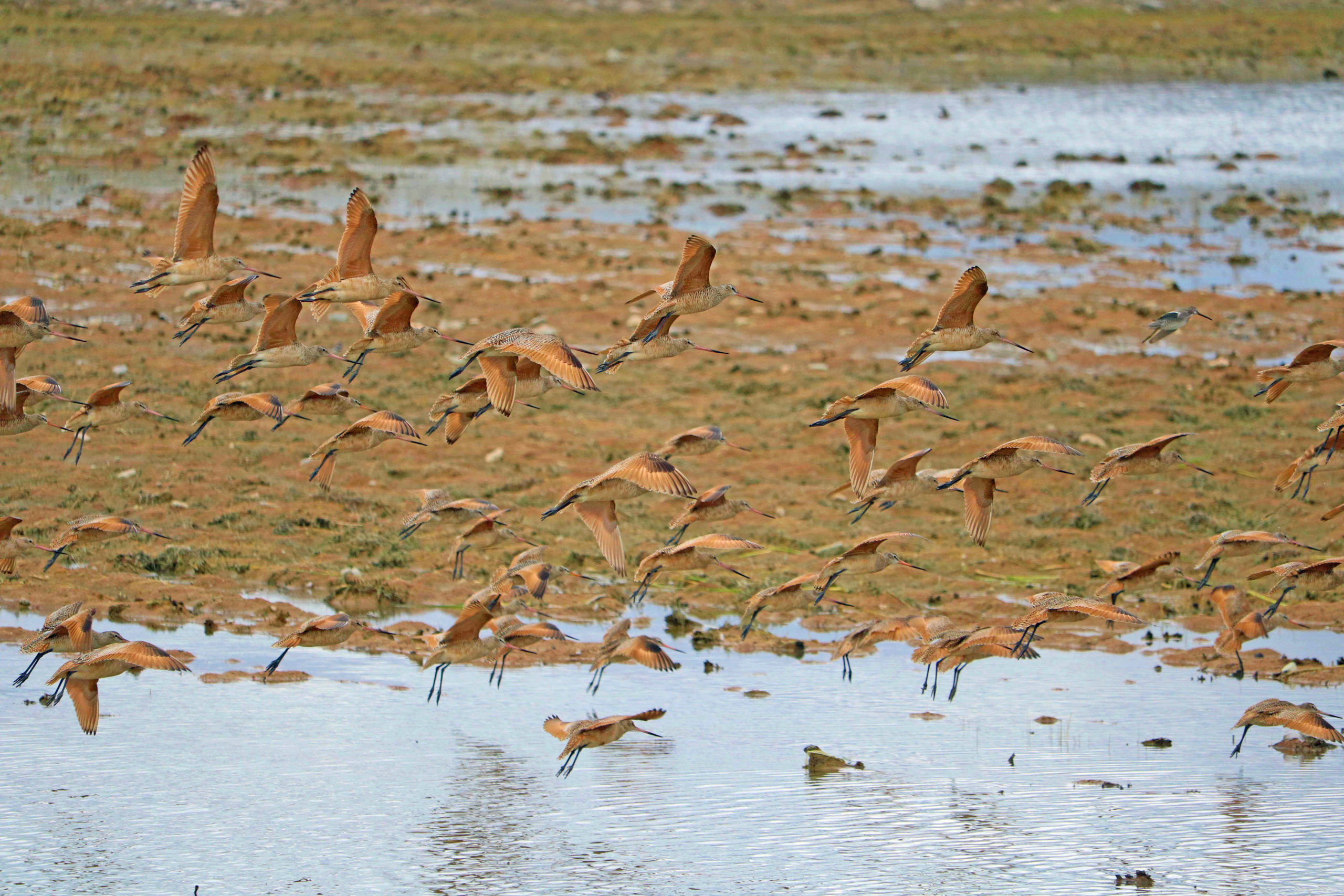
Has our cry been heard? For years, Prescott Audubon has worked to convince the managers and city council of Prescott that birding and outdoor recreation are of value to the city, good for their economy and image, from visitor outreach to curb appeal of city properties. (Think Sedona Wetlands.) This year, we are getting some real traction – actual budgeting to improve access to bird-able city properties. Progress!
The city is only at the first budgeting stage, but the folks who make decisions at city hall now see an affordable way to make what were formerly thought of as just utilities into dual-purpose community parks. (Think Gilbert Water Ranch, only on a small scale.) And that idea is what some Prescott Audubon members have been introducing to the city folks in several meetings over the past months. For example: the city manages our water recharge ponds near the airport. At the same time, they are planning city expansion in that region, trying to add new parks into their design. Now they have the vision that these water recharge ponds can also be the raw beginnings of a natural area park. They plan to work on the first phase of fencing and signage. Eventually, birders, visitors, school groups — the community — will be able to access the ponds! As many of us know, access has been restricted but the birding can be great.
We are currently working to improve access to three city sites. Changing times, luck, and our efforts all contribute to this big step forward. We are grateful to the pandemic, oddly, as it highlighted what we birders knew – that outdoor recreation draws folks to Prescott. We thank the city leaders who embrace this vision, namely city manager Michael Lamar, city council member Clark Tenney, recreation director Joe Baynes, and Craig Dotseth, the public works director. Prescott benefits from the growing messaging that “where birds thrive, people prosper.”
(5) FIELD TRIP COMMITTEE STATUS
By Cory Shaw
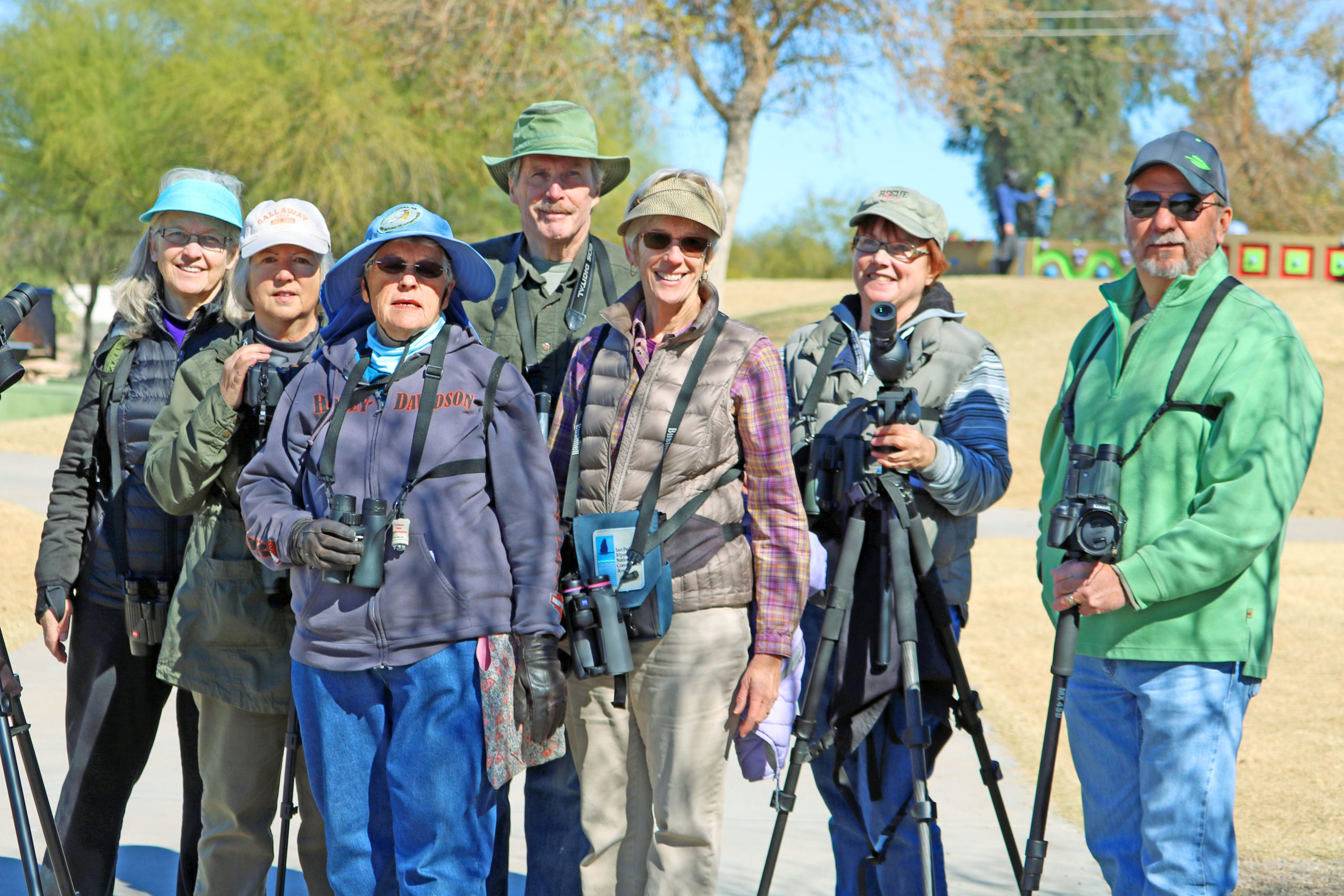
We are eager to once again offer scheduled Prescott Audubon field trips.
We will send an email listing planned trips soon, with more to come as we secure leaders and dates.
We will provide monthly bird walks in Watson Woods, we’ll continue our regular Important Bird Area surveys, and we’ll reintroduce a few of our most popular trips.
It feels good to be approaching “back to normal”!
(6) SAVE THE DATE: BIRDS N’ BEER
September 23 – 5:30 pm
By Sharon Arnold & Ellen Bashor
(7) FEED THE FEEDER UPDATE
By Art and Delores Manburg
(8) SHOW OFF YOUR TALENT: “BIRD OF THE MONTH” ARTICLES
By Russ Chappell
Since 2014 we have been publishing free monthly “Bird of the Month” articles in the local 5enses Magazine which is viewed by thousands of individual each month. The three goals are:
1. Highlight the PAS Chapter’s name and logo before the public, and promote our “Window on Nature” programs, which is advertised in the “monthly event” section of each 5enses issue.
2. Spotlight the extreme diversity of bird species that frequent our region.
3. Demonstrate to the local public the wide variety of individuals who are involved in birding and nature, and recognize their dedication in submitting articles and supporting PAS.
We’d love to have you – our members and other readers – write one of these articles!
To find out more see https://prescottaudubon.org/5enses-bird-of-the-month/
for the article criteria, history of the project and past articles, and suggested species for future articles.
CLOSING STATEMENT
We hope you find these updates interesting, informative and an inspiration to get out and enjoy Prescott’s beautiful natural assets that attract people from around the world.
PHOTO CREDITS
Walt Anderson: Common Mergansers; Tundra Swans; Wilson’s Snipe; White-fronted Goose, Snow and Ross’s Geese; American White Pelican
Richard Balland: Shovelers and Bufflehead
Laura Rhoden: Sandhill Cranes (supplemental January 2021 Lakes Survey sighting)
Sue Drown: Recharge Ponds, Marbled Godwits
Sue Drown: Birders’ photo